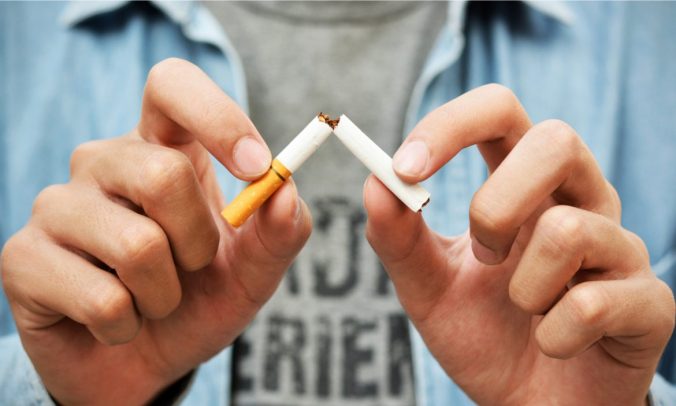
Hypnotherapy is well known for healing trauma and pain relief. Hypnosis is also extremely valuable in working with sports enhancement, weight loss, motivation, self-esteem, anxiety, panic attacks, insomnia, increased confidence, smoking, phobias and stress related issues.

Category: 4 Week (Page 1 of 16)

Case Study 00214 – 14 Jan 2026 – 4 Week Custom Healing Program to address your Smoking Habit with Hypnotherapy

Below is a client-ready, practitioner-grade program, aligned in tone and structure with your previous hypnotherapy case studies.


Case Study 00214 – 14 January 2026

4-Week Custom Healing Program to Address Your Smoking Habit with Hypnotherapy

Program Intent:
This 4-week hypnotherapy program is designed to help you release the subconscious drivers of smoking, reduce cravings, regulate emotions, and re-identity as a calm, confident non-smoker. The focus is not on willpower, but on healing the need the habit once fulfilled.


Week 1 – Understanding & Releasing the Root Cause

Therapeutic Focus:
Identify and release the emotional and subconscious origins of smoking.

Hypnotherapy Objectives:

  • Access the subconscious mind safely

  • Identify the first emotional imprint of smoking

  • Release stored stress, anxiety, or emotional reliance

  • Create awareness of unconscious triggers

Session Elements:

  • Induction for deep relaxation and trust

  • Regression to the first or most significant smoking memory

  • Emotional release and reframing

  • Dissolving the association between cigarettes and relief

  • Installing a sense of safety without smoking

Between-Session Practices:

  • Daily body-awareness breathing (5 minutes)

  • Smoking awareness journal (time, emotion, trigger)

  • Reduce smoking without pressure or judgment

Affirmation:
“I am safe, calm, and in control without smoking.”


Week 2 – Breaking Triggers & Cravings

Therapeutic Focus:
Reprogram subconscious triggers and weaken cravings.

Hypnotherapy Objectives:

  • Interrupt automatic smoking responses

  • Rewire craving signals

  • Strengthen impulse control

  • Replace smoking with calming anchors

Session Elements:

  • Trigger desensitisation under hypnosis

  • Craving reduction imagery

  • Installing a physical calm-anchor (breath, hand gesture)

  • Future pacing through common trigger situations

  • Neutralising taste, smell, and emotional pull of cigarettes

Between-Session Practices:

  • Use calm-anchor when cravings arise

  • Drink water and pause before smoking

  • Practice 4-7-8 breathing twice daily

Affirmation:
“Cravings pass quickly, and I remain calm and clear.”


Week 3 – Identity Shift: Becoming a Non-Smoker

Therapeutic Focus:
Shift self-identity from “smoker” to “non-smoker.”

Hypnotherapy Objectives:

  • Release emotional attachment to smoking

  • Install a new self-image

  • Strengthen self-respect and personal power

  • Build confidence in social and stressful situations

Session Elements:

  • Identity re-patterning hypnosis

  • Letting go ritual at subconscious level

  • Reclaiming control and self-trust

  • Visualization of a healthy, smoke-free self

  • Reinforcing pride and freedom

Between-Session Practices:

  • Morning non-smoker visualization (3 minutes)

  • Conscious refusal script (“I don’t smoke”)

  • Remove smoking cues from environment

Affirmation:
“I am a non-smoker. I choose freedom and health.”


Week 4 – Reinforcement, Resilience & Future Protection

Therapeutic Focus:
Stabilise change and prevent relapse.

Hypnotherapy Objectives:

  • Strengthen long-term subconscious change

  • Install relapse-prevention strategies

  • Build emotional resilience

  • Future-proof against stress and temptation

Session Elements:

  • Deep reinforcement hypnosis

  • Stress-response reprogramming

  • Future pacing through high-risk scenarios

  • Creating a “no-return” decision point

  • Anchoring pride, strength, and calm

Between-Session Practices:

  • Daily grounding or walking meditation

  • Self-reward for smoke-free choices

  • Emergency craving reset technique

Affirmation:
“I am free from smoking, and this change is permanent.”


Expected Outcomes

By the end of the 4-week program, most clients experience:

  • Dramatic reduction or complete cessation of smoking

  • Minimal to no cravings

  • Improved emotional regulation

  • Increased confidence and self-control

  • A strong non-smoker identity

  • A sense of freedom rather than deprivation

Case Study 00203 – 7 Jan 2026 – 4 Week Custom Healing Program to address your Sleep Problems with Hypnotherapy

Below is a structured, trauma-informed, and results-focused hypnotherapy healing program designed specifically for Case Study 00203 – Sleep Problems. This program assumes sleep difficulty is maintained by nervous system hyperarousal, conditioned subconscious associations, emotional load, and cognitive overactivity, and addresses all four layers systematically.


Case Study 00203 – 7 Jan 2026

4-Week Custom Healing Program to Address Sleep Problems with Hypnotherapy


Program Overview

Primary Goals

  • Calm and regulate the nervous system

  • Break subconscious fear-sleep associations

  • Reduce nighttime overthinking and anxiety

  • Re-associate the bed with safety, relaxation, and rest

  • Restore natural sleep onset and continuity

Core Modalities Used

  • Clinical Hypnotherapy

  • Subconscious Re-association & Conditioning

  • Guided Imagery & Nervous System Regulation

  • Parts Therapy & Inner Safety Installation

  • Pre-Sleep Self-Hypnosis Anchors


Week 1 – Safety, Awareness & Nervous System Regulation

Objective

Create a sense of safety around sleep, reduce hyperarousal, and stabilize the nervous system.

Session Focus

  • Establish therapeutic safety and trust

  • Normalize sleep disturbance (remove pressure)

  • Identify sleep-related triggers and subconscious patterns

Hypnotic Components

  • Gentle Induction (breath-based, non-performance focused)

  • Progressive Muscle Relaxation to reduce body tension

  • Safe Place Visualization (install a subconscious refuge)

  • Autonomic Nervous System Down-Regulation

Therapeutic Suggestions

  • “Your body knows how to rest when it feels safe.”

  • “You don’t need to force sleep—rest is enough.”

  • “Each breath tells your nervous system it can slow down.”

Between-Session Practices

  • 10-minute evening body scan (audio provided)

  • Remove effort from sleep (permission to rest without sleeping)

  • Establish a consistent, calming pre-bed ritual


Week 2 – Releasing Overthinking & Cognitive Hyperactivity

Objective

Quiet the mind and disconnect bedtime from mental problem-solving.

Session Focus

  • Identify looping thoughts and nighttime worry themes

  • Reduce fear of not sleeping

  • Interrupt conditioned mental alertness

Hypnotic Components

  • Mental Unloading Technique (imaginal “parking” of thoughts)

  • Cognitive Diffusion Under Hypnosis

  • Observer Self Installation (thoughts pass without engagement)

  • Breath-Thought Synchronization

Therapeutic Suggestions

  • “Thoughts can exist without needing your attention.”

  • “The night is for resting, not solving.”

  • “Your mind can let go now—it has permission.”

Between-Session Practices

  • Thought-release journaling 1 hour before bed

  • 4-7-8 breathing while in bed

  • If awake at night, shift focus to body sensations, not thoughts


Week 3 – Subconscious Re-Association with Sleep & the Bed

Objective

Break the conditioned stress response linked to bedtime and re-associate sleep with safety.

Session Focus

  • Address learned insomnia patterns

  • Remove emotional charge from the bed and nighttime

  • Install calm-sleep associations

Hypnotic Components

  • Memory Reconsolidation Techniques

  • Bed = Safety Reprogramming

  • Future Pacing of Restful Nights

  • Somatic Anchoring for Relaxation

Therapeutic Suggestions

  • “Your bed is a signal for comfort and release.”

  • “Nighttime belongs to rest, not alertness.”

  • “Your body naturally drifts when conditions are safe.”

Between-Session Practices

  • Use the same calming scent or sound nightly (conditioning anchor)

  • Visualize drifting imagery rather than “trying” to sleep

  • Maintain consistent wake-up time


Week 4 – Integration, Confidence & Long-Term Sleep Stability

Objective

Build trust in sleep again and create resilience against future sleep disruptions.

Session Focus

  • Reinforce subconscious confidence in sleep

  • Address fear of relapse

  • Integrate skills into daily life

Hypnotic Components

  • Self-Hypnosis Training (5-minute bedtime induction)

  • Ego-Strengthening Suggestions

  • Future Resilience Programming

  • Sleep Identity Reframing

Therapeutic Suggestions

  • “You are someone who rests deeply.”

  • “Temporary wakefulness does not disturb your calm.”

  • “Sleep returns naturally when you stop chasing it.”

Between-Session Practices

  • Nightly 5-minute self-hypnosis

  • Flexible mindset around sleep quality

  • Focus on daytime regulation (movement, sunlight, grounding)


Expected Outcomes by Week 4

  • Reduced sleep anxiety and pressure

  • Faster sleep onset

  • Fewer nighttime awakenings

  • Increased morning refreshment

  • Restored trust in the body’s ability to sleep


Optional Enhancements

  • EFT Tapping for nighttime anxiety

  • Hypnotic sleep audio recordings

  • Trauma-informed adaptations if needed

  • Extended 6- or 8-week program for chronic insomnia

« Older posts
Social media & sharing icons powered by UltimatelySocial
BOOK YOUR APPOINTMENT