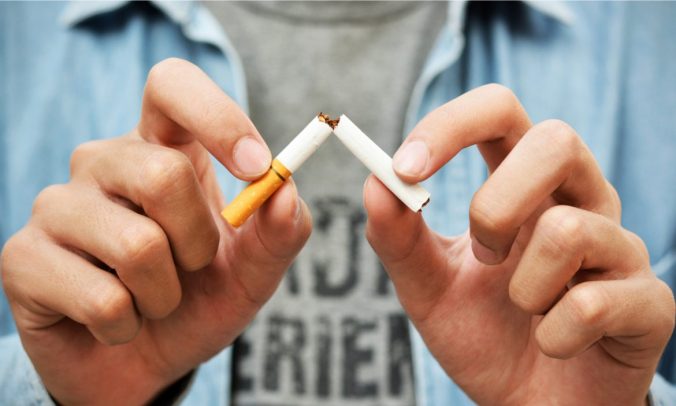
Hypnotherapy is well known for healing trauma and pain relief. Hypnosis is also extremely valuable in working with sports enhancement, weight loss, motivation, self-esteem, anxiety, panic attacks, insomnia, increased confidence, smoking, phobias and stress related issues.

Category: Healing Program (Page 1 of 11)

Case Study 00214 – 14 Jan 2026 – 4 Week Custom Healing Program to address your Smoking Habit with Hypnotherapy

Below is a client-ready, practitioner-grade program, aligned in tone and structure with your previous hypnotherapy case studies.


Case Study 00214 – 14 January 2026

4-Week Custom Healing Program to Address Your Smoking Habit with Hypnotherapy

Program Intent:
This 4-week hypnotherapy program is designed to help you release the subconscious drivers of smoking, reduce cravings, regulate emotions, and re-identity as a calm, confident non-smoker. The focus is not on willpower, but on healing the need the habit once fulfilled.


Week 1 – Understanding & Releasing the Root Cause

Therapeutic Focus:
Identify and release the emotional and subconscious origins of smoking.

Hypnotherapy Objectives:

  • Access the subconscious mind safely

  • Identify the first emotional imprint of smoking

  • Release stored stress, anxiety, or emotional reliance

  • Create awareness of unconscious triggers

Session Elements:

  • Induction for deep relaxation and trust

  • Regression to the first or most significant smoking memory

  • Emotional release and reframing

  • Dissolving the association between cigarettes and relief

  • Installing a sense of safety without smoking

Between-Session Practices:

  • Daily body-awareness breathing (5 minutes)

  • Smoking awareness journal (time, emotion, trigger)

  • Reduce smoking without pressure or judgment

Affirmation:
“I am safe, calm, and in control without smoking.”


Week 2 – Breaking Triggers & Cravings

Therapeutic Focus:
Reprogram subconscious triggers and weaken cravings.

Hypnotherapy Objectives:

  • Interrupt automatic smoking responses

  • Rewire craving signals

  • Strengthen impulse control

  • Replace smoking with calming anchors

Session Elements:

  • Trigger desensitisation under hypnosis

  • Craving reduction imagery

  • Installing a physical calm-anchor (breath, hand gesture)

  • Future pacing through common trigger situations

  • Neutralising taste, smell, and emotional pull of cigarettes

Between-Session Practices:

  • Use calm-anchor when cravings arise

  • Drink water and pause before smoking

  • Practice 4-7-8 breathing twice daily

Affirmation:
“Cravings pass quickly, and I remain calm and clear.”


Week 3 – Identity Shift: Becoming a Non-Smoker

Therapeutic Focus:
Shift self-identity from “smoker” to “non-smoker.”

Hypnotherapy Objectives:

  • Release emotional attachment to smoking

  • Install a new self-image

  • Strengthen self-respect and personal power

  • Build confidence in social and stressful situations

Session Elements:

  • Identity re-patterning hypnosis

  • Letting go ritual at subconscious level

  • Reclaiming control and self-trust

  • Visualization of a healthy, smoke-free self

  • Reinforcing pride and freedom

Between-Session Practices:

  • Morning non-smoker visualization (3 minutes)

  • Conscious refusal script (“I don’t smoke”)

  • Remove smoking cues from environment

Affirmation:
“I am a non-smoker. I choose freedom and health.”


Week 4 – Reinforcement, Resilience & Future Protection

Therapeutic Focus:
Stabilise change and prevent relapse.

Hypnotherapy Objectives:

  • Strengthen long-term subconscious change

  • Install relapse-prevention strategies

  • Build emotional resilience

  • Future-proof against stress and temptation

Session Elements:

  • Deep reinforcement hypnosis

  • Stress-response reprogramming

  • Future pacing through high-risk scenarios

  • Creating a “no-return” decision point

  • Anchoring pride, strength, and calm

Between-Session Practices:

  • Daily grounding or walking meditation

  • Self-reward for smoke-free choices

  • Emergency craving reset technique

Affirmation:
“I am free from smoking, and this change is permanent.”


Expected Outcomes

By the end of the 4-week program, most clients experience:

  • Dramatic reduction or complete cessation of smoking

  • Minimal to no cravings

  • Improved emotional regulation

  • Increased confidence and self-control

  • A strong non-smoker identity

  • A sense of freedom rather than deprivation

Case Study 00213 – 14 Jan 2026 – 30 Questions a Hypnotherapist might ask to Customize a Healing Program for you to address your Emetophobia, Fear of Vomiting using Hypnotherapy.

Here’s a comprehensive set of 30 intake questions for Case Study 00213 – 14 Jan 2026, designed for a hypnotherapist to customize a healing program for emetophobia (fear of vomiting). These questions progress from surface awareness → subconscious triggers → emotional memory → coping strategies → future reframing, which is ideal for hypnotherapy.


Case Study 00213 – 30 Hypnotherapy Intake Questions

Focus: Emetophobia | Fear of Vomiting


SECTION 1: PRESENTING ISSUE & CONSCIOUS AWARENESS

  1. What brings you to seek help for your fear of vomiting?

  2. How long have you noticed this fear affecting your life?

  3. How often do you experience anxiety related to vomiting?

  4. On a scale of 1–10, how intense is this fear currently?

  5. How does this fear show up in your thoughts, emotions, or behaviours?


SECTION 2: TRIGGERS & SITUATIONAL AWARENESS

  1. What situations most commonly trigger your fear of vomiting?

  2. Are there specific foods, smells, or environments that increase anxiety?

  3. Do you avoid certain places or events because of this fear?

  4. How do you feel when someone around you vomits?

  5. Are there particular physical sensations that increase your anxiety?


SECTION 3: EMOTIONAL & PHYSICAL RESPONSE

  1. What emotions do you notice when thinking about vomiting?

  2. Do you experience panic, racing heart, nausea, or other physical symptoms?

  3. How long does the fear or anxiety last once it arises?

  4. Do you notice patterns of tension in your body when anxiety starts?

  5. How does this fear impact your daily life or routines?


SECTION 4: SUBCONSCIOUS BELIEFS & FEARS

  1. What do you fear would happen if you actually vomited?

  2. Are there any beliefs you hold about vomiting or illness that feel absolute?

  3. Do you worry about losing control, embarrassment, or safety?

  4. Are there past experiences related to vomiting that stand out?

  5. Do you feel this fear has influenced other areas of your life (work, relationships)?


SECTION 5: COPING STRATEGIES & BEHAVIOURS

  1. How do you currently manage or avoid situations that trigger fear?

  2. Have you used any techniques to reduce anxiety in these situations?

  3. What has worked and what hasn’t?

  4. Do you engage in safety behaviours (checking, over-preparing, avoiding)?

  5. How effective are these strategies in the long term?


SECTION 6: HEALING GOALS & TRANSFORMATION

  1. What would you like hypnotherapy to help you release or change?

  2. How would life be different if this fear was reduced or gone?

  3. What situations would you like to approach without anxiety?

  4. What inner strengths could support your healing journey?

  5. Are you willing to let go of the fear and create a sense of safety with your body and mind?


THERAPEUTIC NOTE (For Practitioner Use)

These questions help identify:

  • Core emotional triggers of emetophobia

  • Subconscious safety and control patterns

  • Past trauma or conditioning related to vomiting

  • Avoidance behaviours and anxiety loops

  • Readiness for desensitization, resource anchoring, and confidence-building

« Older posts
Social media & sharing icons powered by UltimatelySocial
BOOK YOUR APPOINTMENT