Hypnotherapy is well known for healing trauma and pain relief. Hypnosis is also extremely valuable in working with sports enhancement, weight loss, motivation, self-esteem, anxiety, panic attacks, insomnia, increased confidence, smoking, phobias and stress related issues.

Category: Sleep Disorders (Page 2 of 10)

Case Study 00203 – 7 Jan 2026 – A – 30 Questions a Hypnotherapist might ask to Customize a Healing Program for you to address your Sleep Problems using Hypnotherapy.

Below is a professional, client-centred intake question set designed specifically for Case Study 00203 – Sleep Problems, using a hypnotherapy and subconscious reprogramming framework. The questions progress from sleep patterns → emotional & cognitive factors → subconscious associations → lifestyle influences → therapeutic readiness, allowing precise customization of a healing program.


Case Study 00203 – 7 Jan 2026 – A

30 Intake Questions a Hypnotherapist Might Ask to Customize a Healing Program for Sleep Problems


Section 1: Sleep Pattern & History (Assessment of the Problem)

  1. How would you describe your current sleep problem (difficulty falling asleep, staying asleep, waking too early, restless sleep, or non-restorative sleep)?

  2. When did you first notice this sleep issue beginning?

  3. How many hours of sleep do you usually get on an average night?

  4. How long does it typically take you to fall asleep once you go to bed?

  5. Do you wake during the night? If yes, how often and for how long?

  6. How do you usually feel when you wake up in the morning (rested, tired, anxious, heavy, foggy)?

  7. Has your sleep problem been consistent, or does it come and go?

  8. Have you ever experienced a period in your life when you slept well? What was different then?


Section 2: Emotional & Cognitive Influences on Sleep

  1. What thoughts usually come up for you when you lie in bed at night?

  2. Do you notice anxiety, worry, or overthinking increasing as bedtime approaches?

  3. Are there specific concerns (work, relationships, health, finances) that keep your mind active at night?

  4. Do you feel pressure or fear around the idea of “needing” to sleep?

  5. How do you usually feel emotionally when you can’t sleep (frustrated, helpless, angry, fearful)?

  6. Have you developed any beliefs about sleep, such as “I’m a bad sleeper” or “If I don’t sleep, tomorrow will be terrible”?


Section 3: Subconscious Associations & Nervous System State

  1. What does your bed and bedroom feel like to you emotionally (safe, tense, neutral, frustrating)?

  2. Has your bed ever become associated with stress, illness, trauma, or prolonged worry?

  3. Do you feel your body is able to relax easily, or does it remain tense even when you’re tired?

  4. Would you say your nervous system tends to be more in a “fight-or-flight” state than a calm state?

  5. Do you notice racing thoughts, body tension, or shallow breathing at night?

  6. If your sleep problem had a message for you, what do you feel it might be trying to say?


Section 4: Lifestyle, Habits & Environmental Factors

  1. What is your typical evening routine in the 2 hours before bedtime?

  2. Do you use screens (phone, TV, computer) close to bedtime?

  3. Do you consume caffeine, nicotine, alcohol, or sugar later in the day?

  4. Do you nap during the day? If yes, for how long and how often?

  5. How would you describe your exposure to natural light and physical activity during the day?


Section 5: Health, Safety & Previous Interventions

  1. Have you been diagnosed with any medical or mental health conditions that may affect sleep?

  2. Are you currently using any sleep medication or supplements?

  3. Have you tried other methods to improve sleep (meditation, medication, CBT-I, relaxation techniques)?

  4. What has or hasn’t worked for you in the past regarding sleep improvement?


Section 6: Goals, Readiness & Therapeutic Direction

  1. If your sleep were completely healed, what would be different about your life, energy, mood, and daily functioning?


Clinical Notes for Hypnotherapy Customization

These questions help identify:

  • Hyperarousal vs emotional suppression

  • Conditioned insomnia patterns

  • Subconscious fear-sleep loops

  • Nervous system dysregulation

  • Optimal induction style (calming vs cognitive unloading)

  • Need for trauma-informed or anxiety-focused hypnotic work
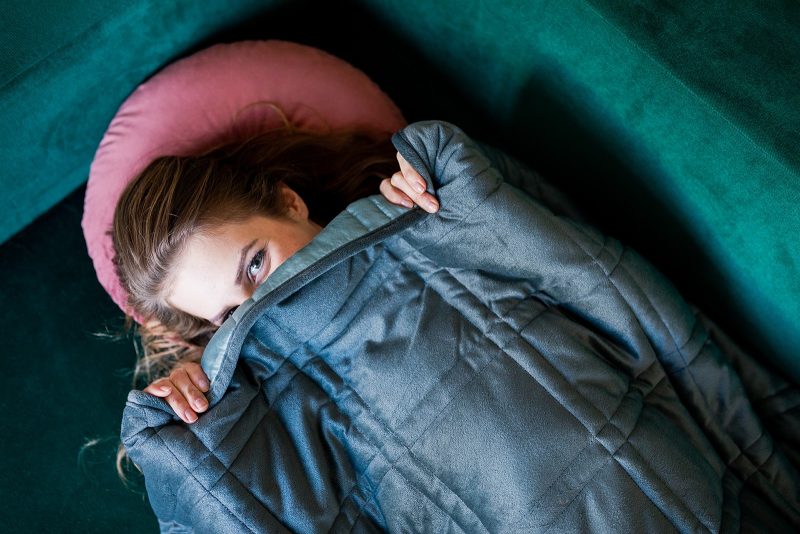
Take note of the things that Greatly Impact our Sleep Patterns

The absence of Self-control, Self-love, Self-discipline has a massive negative Impact our Sleep Patterns.

A lack self-control, it can greatly impact our sleep patterns. Without self-regulation, we might find ourselves staying up later than intended, watching just one more episode or scrolling through our devices, leading to a cycle of sleep deprivation.

Research suggests that poor self-control can lead to:

1. *Later bedtimes*: Without self-regulation, we might not be able to resist the temptation of staying up late, which can disrupt our natural sleep-wake cycle.
2. *Increased caffeine and substance use*: When we lack self-control, we might rely more heavily on stimulants like caffeine or substances that can interfere with our sleep.
3. *Poor sleep hygiene*: We might not prioritize creating a sleep-conducive environment, leading to a lack of relaxation and difficulty falling asleep.
4. *Increased stress and anxiety*: Without self-regulation, stress and anxiety can build up, making it harder to wind down and fall asleep.
5. *Difficulty establishing a consistent sleep schedule*: When we lack self-control, we might have trouble sticking to a regular sleep schedule, leading to irregular sleep patterns.

To combat these implications, it’s essential to develop strategies for improving self-control. This might include setting clear goals, creating a bedtime routine, and establishing a sleep-conducive environment.

When we lack Self-love, it can have a profound impact on our sleep patterns.

Research suggests that low self-esteem, self-criticism, and self-doubt can lead to:

1. *Ruminating thoughts*: Without self-love, we might fixate on negative thoughts and self-criticisms, making it difficult to quiet the mind and relax before sleep.
2. *Anxiety and depression*: Low self-esteem can contribute to anxiety and depression, making it harder to fall asleep and stay asleep.
3. *Heightened stress response*: When we don’t love and accept ourselves, our body’s stress response can be triggered more easily, leading to increased cortisol levels, which can disrupt sleep.
4. *Difficulty relaxing*: Without self-love, we might struggle to relax and unwind before bed, as our minds are preoccupied with negative self-talk and self-doubt.
5. *Increased emotional reactivity*: When we lack self-love, we might be more prone to emotional reactivity, which can lead to increased arousal and wakefulness, making it harder to fall asleep.

Furthermore, research suggests that self-compassion and self-love can have a positive impact on sleep quality.

Practicing self-kindness, understanding, and acceptance can:

1. *Reduce stress and anxiety*: By cultivating self-love, we can reduce stress and anxiety, making it easier to fall asleep and stay asleep.
2. *Improve emotional regulation*: Self-love can help us better regulate our emotions, leading to improved sleep quality.
3. *Enhance relaxation*: Practicing self-love can promote relaxation and calmness, making it easier to fall asleep.

To cultivate self-love and improve sleep patterns, it’s essential to prioritize self-care, practice mindfulness, and reframe negative self-talk. Would you like me to provide some additional strategies for cultivating self-love and promoting healthy sleep habits.

When we have lack self-discipline, it can significantly impact our sleep patterns.

Without self-discipline, we might:

1. *Procrastinate*: Put off tasks and responsibilities, leading to increased stress and anxiety, making it harder to fall asleep.
2. *Engage in stimulating activities before bedtime*: Without self-discipline, we might be more likely to watch TV, scroll through our devices, or engage in other stimulating activities before bed, making it harder to wind down and fall asleep.
3. *Fail to establish a consistent sleep schedule*: Lack of self-discipline can lead to irregular sleep patterns, making it challenging to establish a consistent sleep schedule.
4. *Neglect sleep-conducive habits*: Without self-discipline, we might neglect habits that promote healthy sleep, such as maintaining a dark, quiet sleep environment or avoiding caffeine before bedtime.
5. *Overindulge in sleep-inhibiting habits*: Self-discipline helps us avoid habits that disrupt sleep, such as consuming excessive alcohol, caffeine, or heavy meals close to bedtime.
6. *Struggle with bedtime routines*: Without self-discipline, we might struggle to establish a calming pre-sleep routine, making it harder to wind down and prepare for sleep.
7. *Sacrifice sleep for leisure activities*: Lack of self-discipline can lead to prioritizing leisure activities over sleep, resulting in sleep deprivation and related issues.

On the other hand, cultivating self-discipline can have a positive impact on sleep patterns.

By prioritizing sleep, establishing a consistent sleep schedule, and practicing sleep-conducive habits, we can:

1. *Improve sleep quality*: Self-discipline helps us establish a consistent sleep schedule, leading to better sleep quality.
2. *Enhance sleep duration*: By prioritizing sleep and creating a sleep-conducive environment, we can increase the duration of our sleep.
3. *Reduce sleep disorders*: Self-discipline can help us avoid habits that contribute to sleep disorders, such as insomnia or sleep apnea.

To improve sleep patterns and cultivate self-discipline, it’s essential to set clear goals, create a schedule, and prioritize sleep. Would you like me to provide some additional strategies for developing self-discipline and promoting healthy sleep habits.

« Older posts Newer posts »