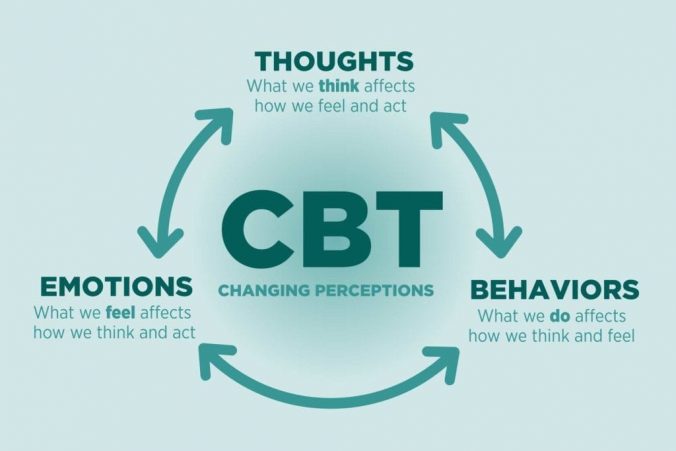
Cognitive behavioral therapy (CBT) is a common type of talk therapy. You work with a mental health therapist in a structured way, attending a limited number of sessions.
CBT is one of the most researched types of therapy, in part because treatment is focused on highly specific goals and results can be measured relatively easily. CBT helps you become aware of inaccurate or negative thinking so you can view challenging situations more clearly and respond to them in a more effective way.
CBT can be a very helpful tool – either alone or in combination with other therapies – in treating mental health disorders, such as depression, post-traumatic stress disorder (PTSD) or an eating disorder. But not everyone who benefits from CBT has a mental health condition. CBT can be an effective tool to help anyone learn how to better manage stressful life situations.
Cognitive behavioral therapy is used to treat a wide range of issues. It’s often the preferred type of psychotherapy because it can quickly help you identify and cope with specific challenges. It generally requires fewer sessions than other types of therapy and is done in a structured way.
CBT is a useful tool to address emotional challenges.
For example, it may help you:
- Manage symptoms of mental illness
- Prevent a relapse of mental illness symptoms
- Treat a mental illness when medications aren’t a good option
- Learn techniques for coping with stressful life situations
- Identify ways to manage emotions
- Resolve relationship conflicts and learn better ways to communicate
- Cope with grief or loss
- Overcome emotional trauma related to abuse or violence
- Cope with a medical illness
- Manage chronic physical symptoms
Mental health disorders that may improve with CBT include:
- Depression
- Anxiety disorders
- Phobias
- PTSD
- Sleep disorders
- Eating disorders
- Obsessive-compulsive disorder (OCD)
- Substance use disorders
- Bipolar disorders
- Schizophrenia
- Sexual disorders
In some cases, CBT is most effective when it’s combined with other treatments, such as antidepressants or other medications.
Risks
In general, there’s little risk in getting cognitive behavioral therapy. But you may feel emotionally uncomfortable at times. This is because CBT can cause you to explore painful feelings, emotions and experiences. You may cry, get upset or feel angry during a challenging session. You may also feel physically drained.
Some forms of CBT, such as exposure therapy, may require you to confront situations you’d rather avoid – such as airplanes if you have a fear of flying. This can lead to temporary stress or anxiety.
However, working with a skilled therapist will minimize any risks. The coping skills you learn can help you manage and conquer negative feelings and fears.
How you prepare
You might decide on your own that you want to try cognitive behavioral therapy. Or a doctor or someone else may suggest therapy to you.
Here’s how to get started:
Find a therapist. You can get a referral from a doctor, health insurance plan, friend or other trusted source. Many employers offer counseling services or referrals through employee assistance programs (EAP’s). Or you can find a therapist on your own – for instance, through a local or state psychological association or by searching the internet.
Understand the costs. If you have health insurance, find out what coverage it offers for psychotherapy. Some health plans cover only a certain number of therapy sessions a year. Also, talk to your therapist about fees and payment options.
Review your concerns. Before your first appointment, think about what issues you’d like to work on. While you can also sort this out with your therapist, having some sense in advance may provide a starting point.
What you can expect
Cognitive behavioral therapy may be done one-on-one or in groups with family members or with people who have similar issues. Online resources are available that may make participating in CBT possible, especially if you live in an area with few local mental health resources.
CBT often includes:
- Learning about your mental health condition
- Learning and practicing techniques such as relaxation, coping, resilience, stress management and assertiveness
Your first therapy session
At your first session, your therapist will typically gather information about you and ask what concerns you’d like to work on. The therapist will likely ask you about your current and past physical and emotional health to gain a deeper understanding of your situation. Your therapist may discuss whether you might benefit from other treatment as well, such as medications.
The first session is also an opportunity for you to interview your therapist to see if he or she will be a good match for you. Make sure you understand:
- His or her approach
- What type of therapy is appropriate for you
- The goals of your treatment
- The length of each session
- How many therapy sessions you may need
It might take a few sessions for your therapist to fully understand your situation and concerns, and to determine the best course of action. If you don’t feel comfortable with the first therapist you see, try someone else. Having a good “fit” with your therapist can help you get the most benefit from CBT.
During CBT
Your therapist will encourage you to talk about your thoughts and feelings and what’s troubling you. Don’t worry if you find it hard to open up about your feelings. Your therapist can help you gain more confidence and comfort.
CBT generally focuses on specific problems, using a goal-oriented approach. As you go through the therapy process, your therapist may ask you to do homework – activities, reading or practices that build on what you learn during your regular therapy sessions – and encourage you to apply what you’re learning in your daily life.
Your therapist’s approach will depend on your particular situation and preferences. Your therapist may combine CBT with another therapeutic approach – for example, interpersonal therapy, which focuses on your relationships with other people.
Steps in CBT
CBT typically includes these steps:
- Identify troubling situations or conditions in your life. These may include such issues as a medical condition, divorce, grief, anger or symptoms of a mental health disorder. You and your therapist may spend some time deciding what problems and goals you want to focus on.
- Become aware of your thoughts, emotions and beliefs about these problems. Once you’ve identified the problems to work on, your therapist will encourage you to share your thoughts about them. This may include observing what you tell yourself about an experience (self-talk), your interpretation of the meaning of a situation, and your beliefs about yourself, other people and events. Your therapist may suggest that you keep a journal of your thoughts.
- Identify negative or inaccurate thinking. To help you recognize patterns of thinking and behavior that may be contributing to your problem, your therapist may ask you to pay attention to your physical, emotional and behavioral responses in different situations.
- Reshape negative or inaccurate thinking. Your therapist will likely encourage you to ask yourself whether your view of a situation is based on fact or on an inaccurate perception of what’s going on. This step can be difficult. You may have long-standing ways of thinking about your life and yourself. With practice, helpful thinking and behavior patterns will become a habit and won’t take as much effort.
Length of therapy
CBT is generally considered short-term therapy – ranging from about five to 20 sessions. You and your therapist can discuss how many sessions may be right for you. Factors to consider include:
Type of disorder or situation
- Severity of your symptoms
- How long you’ve had your symptoms or have been dealing with your situation
- How quickly you make progress
- How much stress you’re experiencing
- How much support you receive from family members and other people
Confidentiality
Except in very specific circumstances, conversations with your therapist are confidential. However, a therapist may break confidentiality if there is an immediate threat to safety or when required by law.
These situations include:
- Threatening to immediately or soon (imminently) harm yourself or take your own life
- Threatening to imminently harm or take the life of another person
- Abusing a child or a vulnerable adult – someone over age 18 who is hospitalized or made vulnerable by a disability
- Being unable to safely care for yourself
Results
Cognitive behavioral therapy may not cure your condition or make an unpleasant situation go away. But it can give you the power to cope with your situation in a healthy way and to feel better about yourself and your life.
Getting the most out of CBT
CBT isn’t effective for everyone. But you can take steps to get the most out of your therapy and help make it a success.
- Approach therapy as a partnership. Therapy is most effective when you’re an active participant and share in decision-making. Make sure you and your therapist agree about the major issues and how to tackle them. Together, you can set goals and assess progress over time.
- Be open and honest. Success with therapy depends on your willingness to share your thoughts, feelings and experiences, and on being open to new insights and ways of doing things. If you’re reluctant to talk about certain things because of painful emotions, embarrassment or fears about your therapist’s reaction, let your therapist know about your reservations.
- Stick to your treatment plan. If you feel down or lack motivation, it may be tempting to skip therapy sessions. Doing so can disrupt your progress. Attend all sessions and give some thought to what you want to discuss.
- Don’t expect instant results. Working on emotional issues can be painful and often requires hard work. It’s not uncommon to feel worse during the initial part of therapy as you begin to confront past and current conflicts. You may need several sessions before you begin to see improvement.
- Do your homework between sessions. If your therapist asks you to read, keep a journal or do other activities outside of your regular therapy sessions, follow through. Doing these homework assignments will help you apply what you’ve learned in the therapy sessions.
- If therapy isn’t helping, talk to your therapist. If you don’t feel that you’re benefiting from CBT after several sessions, talk to your therapist about it. You and your therapist may decide to make some changes or try a different approach.
Cognitive behavioral therapy (CBT) is a type of psychotherapeutic treatment that helps people learn how to identify and change destructive or disturbing thought patterns that have a negative influence on behavior and emotions.