Hypnotherapy is well known for healing trauma and pain relief. Hypnosis is also extremely valuable in working with sports enhancement, weight loss, motivation, self-esteem, anxiety, panic attacks, insomnia, increased confidence, smoking, phobias and stress related issues.

Tag: Fear of Dogs (Page 2 of 5)

Case Study 00192 – 5 Jan 2026 – Remove The Fear of Dogs – EFT Tapping – Emotionally Focused Therapy Script

Below is a complete, word-for-word therapeutic script designed for Case Study 00192, integrating EFT Tapping with Emotionally Focused Therapy (EFT-E) principles. It is suitable for adults, teens, or trauma-sensitive clients and can be used clinically or self-guided.


Case Study 00192 – 5 Jan 2026

Remove the Fear of Dogs

EFT Tapping – Emotionally Focused Therapy Script

Theme:
From automatic fear → emotional safety → calm presence

Core Understanding:
Fear of dogs is not irrational. It is a protective nervous-system response based on past learning.
We do not remove fear by force—we update the nervous system through safety and compassion.


Session Objectives

  • Establish emotional and physical safety

  • Reduce fear intensity and body reactivity

  • Separate past experiences from present reality

  • Rewire threat perception through regulation

  • Restore a sense of choice, control, and calm


Session Preparation

  • Sit comfortably, feet on the ground

  • Place one hand on the chest, one on the belly

  • Slow breath: inhale 4 seconds, exhale 6 seconds

Fear Rating:

“On a scale of 0–10, how intense is your fear of dogs right now?”


Phase 1: Emotional Awareness & Validation

Therapeutic Framing (say aloud):

“Your fear is not weakness.
It is your nervous system trying to protect you.”

Reflect or ask:

  • “When did this fear first begin?”

  • “What does your body do when you see or hear a dog?”

  • “What does the fearful part of you believe might happen?”

No correction. Only validation.


Phase 2: EFT Setup Statements

Tap the Karate Chop point
Repeat each statement 3 times (choose what fits best):

“Even though my body reacts with fear around dogs,
and even though this fear feels automatic,
I deeply and completely accept myself.”

Alternatives:

  • “Even though dogs feel dangerous to my body…”

  • “Even though I lose control when I see a dog…”

  • “Even though my fear doesn’t listen to logic…”


Phase 3: EFT Tapping Sequence – Acknowledging Fear

Tap through points:
Eyebrow – Side of Eye – Under Eye – Under Nose – Chin – Collarbone – Under Arm – Top of Head

Round 1 – Naming the Fear

  • Eyebrow:
    “This fear of dogs”

  • Side of Eye:
    “This tightness in my body”

  • Under Eye:
    “My heart races”

  • Under Nose:
    “My body prepares for danger”

  • Chin:
    “Even when I try to stay calm”

  • Collarbone:
    “This fear takes over”

  • Under Arm:
    “My system learned this response”

  • Top of Head:
    “And it’s trying to protect me”


Phase 4: Emotionally Focused Reframe

“Fear means something important happened.
Your body remembers—even when your mind knows you’re safe.”

Round 2 – Honouring the Protective Response

  • Eyebrow:
    “My fear once had a reason”

  • Side of Eye:
    “It kept me alert”

  • Under Eye:
    “It kept me alive”

  • Under Nose:
    “I don’t need to fight it”

  • Chin:
    “I can thank it”

  • Collarbone:
    “Protection doesn’t mean permanence”

  • Under Arm:
    “My nervous system can update”

  • Top of Head:
    “I am safe to learn something new”


Phase 5: Separating Past From Present

Round 3 – Updating the Nervous System

  • Eyebrow:
    “That was then”

  • Side of Eye:
    “This is now”

  • Under Eye:
    “My body reacts as if the past is happening”

  • Under Nose:
    “But I am here, now”

  • Chin:
    “I am older, stronger, wiser”

  • Collarbone:
    “I have choices”

  • Under Arm:
    “I can observe without panic”

  • Top of Head:
    “My body is learning the present moment”


Phase 6: Releasing Fear Gently

Round 4 – Letting Go Without Forcing

  • Eyebrow:
    “I don’t need to eliminate fear all at once”

  • Side of Eye:
    “I can release it in layers”

  • Under Eye:
    “Bit by bit”

  • Under Nose:
    “At my pace”

  • Chin:
    “My body responds to kindness”

  • Collarbone:
    “I choose calm over panic”

  • Under Arm:
    “I allow safety to replace fear”

  • Top of Head:
    “My nervous system is calming now”


Phase 7: Installing Safety Around Dogs

Round 5 – New Association

  • Eyebrow:
    “Not every dog is a threat”

  • Side of Eye:
    “I can notice from a distance”

  • Under Eye:
    “I can stay grounded”

  • Under Nose:
    “I can breathe”

  • Chin:
    “I am in control of my body”

  • Collarbone:
    “I am safe right now”

  • Under Arm:
    “My body is learning calm”

  • Top of Head:
    “Dogs no longer control my emotions”


Phase 8: Integration & Regulation

Hand on heart. Slow breathing.

“Notice your body now.
Even a small shift matters.”

Re-rate fear (0–10).

Ask:

  • “What changed?”

  • “What feels calmer?”

  • “What does your body need next?”


Post-Session Affirmations

Use daily or before exposure:

  • “I am safe in my body”

  • “Fear no longer controls me”

  • “My nervous system is learning calm”

  • “I respond, I do not panic”


Week 1 Homework

  • Use this tapping daily or when triggered

  • Practice observing dogs from a safe distance while tapping

  • Journal prompt:

    “What does my fear need in order to soften?”


Therapeutic Note

Fear is released through safety, not confrontation.
As regulation increases, exposure becomes natural—not forced.
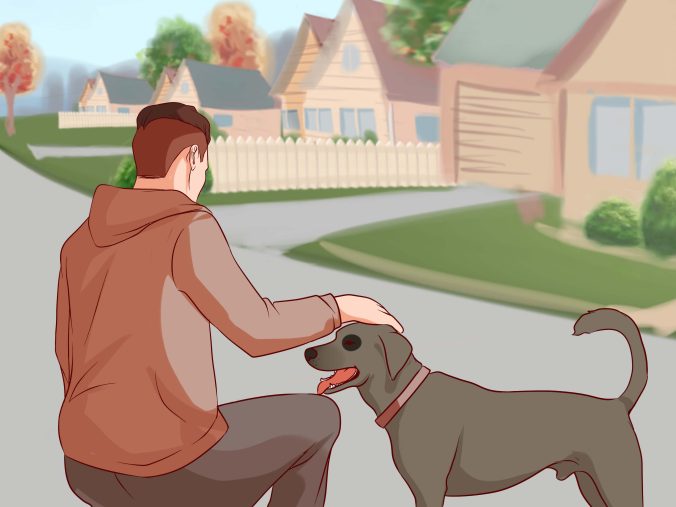
Case Study 00192 – 5 Jan 2026 – Week 1 – Fear of Dogs with Hypnotherapy Script

Case Study 00192 – 5 Jan 2026

Fear of Dogs – Hypnotherapy Script

Week 1 – Awareness, Safety & Emotional Stabilization
Objective: Establish emotional safety, identify triggers, and calm the nervous system.


1. Induction & Deep Relaxation

“As you settle comfortably into your chair or lying position, allow your eyes to gently close. Take a slow, deep breath in… and exhale fully. Feel the surface beneath you supporting your body… holding you safely. With each breath, notice yourself becoming more relaxed, more calm, more present…

Now, gently bring your attention to your feet… notice any tension, and as you exhale, allow your feet to soften and relax… your ankles… calves… knees… slowly releasing… moving upward, your thighs relax… hips soften… your abdomen releases… each breath bringing a sense of calm…

Move your focus to your chest and shoulders… notice any tension there… and as you exhale, let it flow away… your arms… hands… fingers… relaxing completely… now your neck… jaw… face… scalp… your entire body is soft, heavy, and calm… each breath taking you deeper into relaxation.”


2. Focused Breathing to Calm the Nervous System

“Now, bring gentle awareness to your breath… noticing the rise and fall… in… and out… Slowly, intentionally… with each exhale, imagine releasing tension… releasing worry… releasing any tightness. Allow your breathing to become your anchor… steady, calm… safe…

If any anxious thought appears, simply notice it, and return your focus to your breath… each inhalation bringing calm… each exhalation releasing fear…


3. Safe Place Visualization

“In your mind’s eye, imagine a place where you feel completely safe… it could be a real place you know, or somewhere your mind creates… Notice every detail: the colors, the sounds, the scents… Feel the safety, the comfort, the warmth… Know that in this place, nothing can harm you… nothing can disturb you… you are fully protected here…

Whenever you feel fear or tension in the coming days, you can return to this safe space… simply by taking a slow, deep breath and imagining yourself there… feeling secure… calm… centered.”


4. Inner Observer Installation

“Now, allow yourself to step into the role of the inner observer… a calm, quiet part of you that can watch thoughts, feelings, and fears without being pulled in…

As you notice a fear of dogs arising, your inner observer simply acknowledges it: ‘I see this fear. It is here, and that’s okay.’ You do not need to fight it, push it away, or judge it… You are simply noticing… observing… breathing… and remaining safe.”


5. Trigger Awareness

“Gently bring to mind the situations that usually trigger fear of dogs… the sights, sounds, places… or even thoughts of dogs… You may notice your body reacting, your breath quickening… That’s natural. Your inner observer is here to watch, to understand, without needing to react…

Simply notice: what triggers fear, how the body responds, and what thoughts arise. Awareness is the first step in gaining control… each observation giving you a sense of empowerment… safety… calm.”


6. Post-Hypnotic Anchoring

“Now, let’s create a subtle anchor for safety… a simple action you can do anytime to signal calm and protection… Perhaps a slow, deep breath… a gentle touch to your hand…

In the future, whenever you feel nervous or afraid, performing this small action will remind your mind and body: I am safe. I am calm. I am in control… Your subconscious will remember this anchor, supporting you whenever fear appears.”


7. Reorientation & Closing

“And now, gently bring your awareness back to the room… feel the surface beneath you… notice the sounds around you… Begin to wiggle your fingers and toes… and when you are ready, open your eyes… feeling calm… safe… centered… and fully aware of your inner strength.”


Key Notes for Week 1:

  • No direct exposure to dogs yet—focus is entirely on safety, awareness, and calming the nervous system.
  • Encourage daily practice of the safe place visualization and breathing anchor.
  • Keep sessions gentle—no rushing or forcing confrontation.
« Older posts Newer posts »

Live Hypnotherapy Sessions - 7 Days a Week – 10:00, 12:00 and 14:00. Tel: 0027 – (0)87 379 7668. - Most requested hypnotherapy sessions are available for download at R450 per download.

X
Social media & sharing icons powered by UltimatelySocial
BOOK YOUR APPOINTMENT