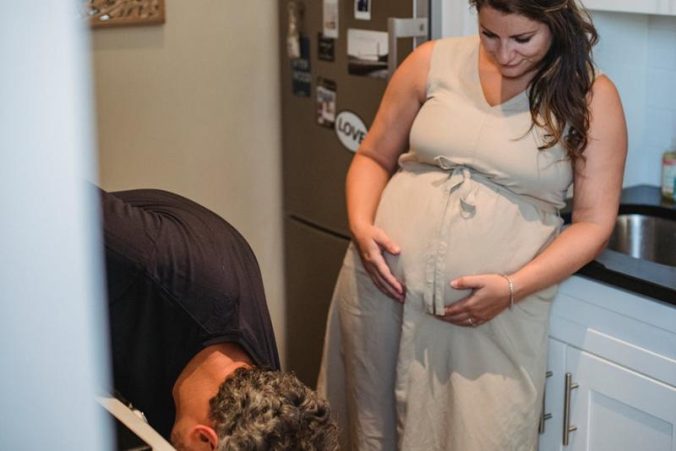
Hypnotherapy is well known for healing trauma and pain relief. Hypnosis is also extremely valuable in working with sports enhancement, weight loss, motivation, self-esteem, anxiety, panic attacks, insomnia, increased confidence, smoking, phobias and stress related issues.

Tag: Reduce Anxiety (Page 1 of 3)

Case Study 00436 – 4 June 2026 – Hypnobirthing – EFT Tapping – Emotionally Focused Therapy Script.

Case Study 00436 – 4 June 2026

Hypnobirthing – EFT Tapping (Emotional Freedom Techniques) – Emotionally Focused Therapy Script

Presenting Concerns

The client is preparing for childbirth and wishes to:

  • Reduce fear of labor and birth
  • Release anxiety and uncertainty
  • Build trust in her body
  • Increase confidence in the birthing process
  • Strengthen emotional connection with her baby
  • Create a calm, positive, and empowered birth experience

Subjective Units of Distress (SUDS): ___ /10


EFT Tapping Session

Setup Statement

(Tap continuously on the Karate Chop Point)

Repeat Three Times

“Even though I have fears and concerns about labor and childbirth, I deeply and completely accept myself.”

“Even though I feel uncertain about what birth may bring, I choose to trust myself and my baby.”

“Even though part of me feels anxious about giving birth, I am open to feeling calm, safe, and confident.”


Round 1 – Acknowledging the Fear

Eyebrow

This fear of childbirth.

Side of Eye

All these worries about labor.

Under Eye

What if something goes wrong?

Under Nose

What if I cannot cope?

Chin

I have heard so many stories.

Collarbone

Some of those stories frightened me.

Under Arm

Part of me feels uncertain.

Top of Head

I acknowledge these fears.


Round 2 – Exploring the Anxiety

Eyebrow

This anxiety in my body.

Side of Eye

This tension I have been carrying.

Under Eye

Fear about labor and delivery.

Under Nose

Fear of discomfort and the unknown.

Chin

I notice these feelings.

Collarbone

I allow myself to acknowledge them.

Under Arm

I do not need to fight them.

Top of Head

I simply notice and accept them.


Round 3 – Releasing Fear

Eyebrow

I choose to release unnecessary fear.

Side of Eye

I release old stories that do not belong to me.

Under Eye

I let go of fear-based expectations.

Under Nose

I release tension from my body.

Chin

I release fear from my mind.

Collarbone

I allow calmness to enter.

Under Arm

I allow peace to replace fear.

Top of Head

I choose trust instead of fear.


Round 4 – Trusting the Body

Eyebrow

My body knows how to grow my baby.

Side of Eye

My body knows how to birth my baby.

Under Eye

I trust my body’s natural wisdom.

Under Nose

I trust the process of birth.

Chin

Millions of women have given birth before me.

Collarbone

My body was designed for this experience.

Under Arm

I trust my instincts.

Top of Head

I trust myself.


Round 5 – Connecting with Baby

Eyebrow

My baby and I are a team.

Side of Eye

We work together beautifully.

Under Eye

My baby knows what to do.

Under Nose

I send love and calmness to my baby.

Chin

My baby feels safe and protected.

Collarbone

We are connected in every moment.

Under Arm

I welcome my baby with love.

Top of Head

Our bond grows stronger every day.


Round 6 – Creating a Positive Birth Expectation

Eyebrow

I imagine a calm birth experience.

Side of Eye

I imagine feeling confident.

Under Eye

I imagine feeling supported.

Under Nose

I imagine breathing calmly through labor.

Chin

I imagine remaining focused and relaxed.

Collarbone

I imagine welcoming my baby peacefully.

Under Arm

I imagine a positive birth experience.

Top of Head

I am ready for this journey.


Emotionally Focused Therapy (EFT) Reflection Process

After tapping, invite the client to reflect on the following:

Primary Emotional Questions

  • What emotions arise when you think about childbirth?
  • What is your greatest fear regarding labor?
  • What do you need to feel safe during birth?
  • What would help you trust yourself more fully?

Attachment-Based Questions

  • How connected do you currently feel to your baby?
  • What does becoming a mother mean to you?
  • What strengths do you already possess that will help you during labor?
  • What support do you need from your partner or birth team?

Healing Questions

  • What fears are you ready to release?
  • What new beliefs would you like to embrace?

Hypnobirthing Visualization

Close your eyes and take a slow, comfortable breath.

Imagine yourself on the day of your baby’s birth.

You feel calm.

You feel supported.

You feel safe.

Your breathing is steady.

Your body relaxes deeply.

Each wave of labor moves you closer to meeting your baby.

You trust your body.

You trust your baby.

You trust the process.

You feel peaceful.

You feel empowered.

You feel ready.

As your baby arrives, you experience overwhelming love, gratitude, and joy.

You hold your baby close and know that together you have completed an extraordinary journey.


Closing Affirmations

  • I trust my body.
  • I trust my baby.
  • I trust the process of birth.
  • I release fear and welcome confidence.
  • I am calm, safe, and supported.
  • My baby and I work together perfectly.
  • Every day I become more relaxed and prepared.
  • I welcome my birth experience with courage and love.

Post-Session SUDS Rating

Initial Distress Level: ___ /10

Current Distress Level: ___ /10

Therapeutic Goal

To help the client release fear, reduce anxiety, strengthen trust in the body, deepen connection with the baby, and approach childbirth with calmness, confidence, emotional security, and empowerment.

How to Reducing Anxiety

Regular physical activity. Regular exercise may help reduce anxiety by naturally lifting your mood and lowering levels of stress hormones, such as adrenaline and cortisol. Harness the power of yoga by combining physical postures, breathing exercises, and meditation to help reduce stress and anxiety.


If you’re feeling nervous about something coming up, such as speaking in public, meeting with your boss, or doing a karaoke number, we’ve found a great way to calm yourself down quickly.

Calming Down Can Be Tricky

If you’ve ever been in an argument with a friend or significant other, and they have told you to “calm down,” you’ve probably learned that that strategy is not particularly helpful. In fact, it may make you feel worse. The same seems to be the case when you tell yourself to relax or calm down before doing a stressful task. It doesn’t really work.

Luckily, there’s a technique you can use that actually will be effective, and it’s fast and easy to do.

Studies Show That Reframing Your Anxiety Can Calm You Down

In 2014, a series of studies was done by Harvard business professor, Alison Wood Brooks. She had study subjects engage in three different anxiety-inducing behaviors: public speaking, karaoke singing, and math problem solving.

Just prior to performing the task, Brooks asked participants to say one of two statements. The statements were either “I am excited” or “I am calm.” In all three situations, people who chose to be excited, rather than trying to feel calmer did better in their tasks.

It turns out that simply reframing your anxiety, which can make you feel and focus on the negative, to excitement, which is positive, helps your brain relax and do better on what could be a stressful task.

So the next time you feel that heart-pounding, clammy palm anxiety, tell yourself out loud, “I am excited.” Then, step confidently into your task and watch how much better it goes.


Natural Ways to Reduce Anxiety

Stopping tobacco use

A 2020 review gathered evidence that smoking cigarettes and anxiety symptoms often coexist. Consistent findings showed that people with anxiety are more likely to use tobacco. Additionally, a 2023 study found that stopping smoking significantly improved anxiety symptoms.

A 2020 study also suggests that nicotine and other chemicals in cigarette smoke alter pathways in the brain linked to anxiety and panic disorder symptoms.

The Centers for Disease Control and Prevention (CDC)Trusted Source recommends finding a substitute for cigarettes, like toothpicks or gum.

You can also take up habits that may distract you to create an environment that works for your smoke-free life. Additionally, you can make a plan with a support system that can provide everything from encouragement to distractions.

Limiting caffeine intake

Caffeine may cause or worsen anxiety disorders. A 2022 review of 10 studies reported that caffeine may increase both anxiety and panic attacks in people living with and without panic disorder. In some people, eliminating caffeine significantly improved symptoms.

The Diagnostic and Statistical Manual of Mental Disorders, 5th edition, text revision (DSM-5-TR), officially recognizes caffeine-induced anxiety disorder. The DSM-5-TR, published by the American Psychiatric Association, is the reference handbook most U.S. mental health professionals use.

Caffeine-induced anxiety disorder involves caffeine interfering with daily functioning. A diagnosis requires that a person experiences anxiety symptoms related to caffeine consumption.

A 2021 review indicated that caffeine increases alertness by blocking the brain chemical adenosine (which is what makes you feel tired), while at the same time triggering the release of adrenaline, known as the fight-or-flight hormone.

With all this being said, a moderate intake of caffeine is safe for most people.

However, if you’re looking to cut back or completely cut out caffeine, you’ll want to start by slowly reducing the amount of caffeine you drink daily.

Gradually reducing your caffeine over the course of a few weeks can help adjust the habit without the body going through withdrawal.

Prioritizing getting a good night’s rest – Sleep

Even though a 2018 survey of 400,000 people showed that nearly a third of adults get less than 6 hours of sleep a night, the CDC recommends 7 or more hours every day.

You can improve your sleep hygiene by:

  • sleeping when you’re tired
  • avoiding television or reading in bed
  • limiting phone, tablet, or computer use in bed
  • getting up instead of tossing and turning in your bed
  • going to another room (even if it’s the bathroom) if you can’t sleep
  • skipping caffeine, large meals, and nicotine before bedtime
  • keeping your room dark and at a comfortable temperature
  • writing down your thoughts before going to bed
  • going to sleep around the same time each day

Meditating and practicing mindfulness

A central goal of meditation is gaining full awareness of the present moment, which includes identifying thoughts in a nonjudgmental way. This can lead to a sense of calm and contentment by increasing your ability to mindfully tolerate all thoughts and feelings.

Meditation relieves stress and anxiety. Mindfulness-based cognitive therapy (MBCT), a type of talk therapy that combines meditation and mindfulness strategies with cognitive behavioral therapy (CBT) techniques, may help.

A randomized clinical trial reported in 2023 that an 8-week program of mindfulness-based stress reduction (MBSR) meditation helped relieve anxiety symptoms as much as the frequently prescribed antidepressant Lexapro.

Eating a nutrient-dense diet

Low blood sugar levels, dehydration, or chemicals in processed foods may affect your mood. A high-sugar diet may also impact how you feel.

If your anxiety worsens after eating, consider checking your eating habits. Staying hydrated, eliminating processed foods, and eating a balanced diet rich in complex carbohydrates, fruits and vegetables, and lean proteins may help with your symptoms.

Practicing deep breathing

Shallow, fast breathing is common with anxiety. It may lead to a fast heart rate, dizziness or lightheadedness, or even a panic attack.

Deep breathing exercises — the deliberate process of taking slow, even deep breaths — can help restore regular breathing patterns and reduce anxiety symptoms in the moment.

Trying aromatherapy

Aromatherapy is a holistic healing treatment that has been used by humans for thousands of years. The practice uses natural plant extracts and essential oils to promote the health and well-being of the mind, body, and spirit.

The essential oils created by the natural plant extracts may be inhaled directly or added to a warm bath or diffuser.

Aromatherapy may:

  • boost relaxation
  • help with optimal sleep
  • elevate mood
  • reduce heart rate
  • balance blood pressure

Some essential oils believed to relieve anxiety are:

  • bergamot
  • lavender
  • clary sage
  • grapefruit
  • ylang ylang

While research suggests there are health benefits, the FDA doesn’t monitor or regulate the purity or quality of essential oils. It’s important to talk with a healthcare professional before you begin using essential oils and be sure to research the quality of a brand’s products. Always do a patch test before trying a new essential oil.

Drinking chamomile tea

A 2016 randomized clinical trial involving people with a GAD diagnosis showed that chamomile may be a powerful ally against the disorder. The study found that chamomile was safe long term and that it significantly reduced anxiety symptoms, although it did not decrease reoccurrence.

Researchers in a 2021 study suggest that chamomile’s anti-anxiety properties may stem from the activity of a flavonoid called apigenin. This flavonoid engages GABA receptors at the same binding sites targeted by anti-anxiety drugs like Xanax.

« Older posts