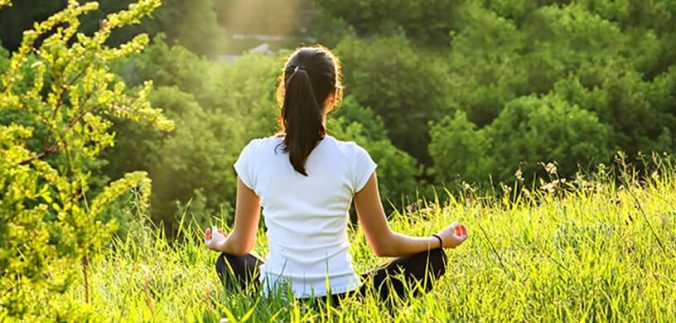
Hypnotherapy is well known for healing trauma and pain relief. Hypnosis is also extremely valuable in working with sports enhancement, weight loss, motivation, self-esteem, anxiety, panic attacks, insomnia, increased confidence, smoking, phobias and stress related issues.

Tag: Reduce Stress (Page 2 of 2)

Ways to Quickly Reduce Stress

No matter how many methods you use in your daily life to lower your overall stress levels, there are still likely to be points in your day when you will feel a surge of anxiety that needs to be diffused.

Releasing transient stress quickly can prevent it from multiplying and resulting in a whole day, week, month, or life of stress. It’s good to have some quick stress-relieving techniques ready to pull out of your hat in these situations.

Here are 13 efficient ways to release stress quickly so you can get on with your day. You can modify these to fit your personal circumstances.

Number 1: Use Positive Affirmations

Positive affirmations are definitive statements that you say to yourself with authority. Over time, they can change the way your subconscious mind reacts to certain triggers. Having several of these ready to go when you’re feeling stress can help you release it quickly.

Here are some examples:

  • I am fully equipped to handle this situation with confidence.
  • I feel peaceful and approach today with tranquility.
  • I embrace joy and positivity.
  • I am relaxed and calm.

Say your chosen affirmation over to yourself 3 to 5 times while breathing deeply. The more you use positive affirmations, the quicker they will work for you in stressful situations.

Number 2: Practice Visualization

Visualization is a highly effective technique in which you imagine yourself experiencing the feelings or outcomes that you wish to have. It’s a particularly useful strategy to use when you wish to decrease your stress quickly.

Simply take a moment to close your eyes and breathe deeply. Imagine the tension and stress exiting your body through your fingertips, toes, and the top of your head with each exhale. During each inhale, visualize peace entering and spreading through your entire body. Within a few breaths, you should feel noticeably calmer.

Visualization is also an excellent technique to use if the stress you’re feeling is the result of performance anxiety of some sort. Imagining yourself performing the task properly and successfully can not only create calmness in your mind, but it can also actually help you accomplish your desired result.

Number 3: Count Your Blessings

It’s hard to feel anxious when you’re focused on being grateful. So the next time you feel yourself getting stressed, take a moment to list in your mind a few things in your life that make you happy. If you have trouble thinking of any at first, start small. You could begin with something as simple as “I’m grateful for the sunny day today” or “I’m thankful to have a job.” As you practice counting your blessings, it will become progressively easier to do.

Number 4: Maintain Something Fun to Anticipate

It can be helpful for stress-release to always have something to look forward to. This could be something big such as a vacation, or it could be something small, such as dinner with friends. When you have these small or large events planned into your semi-immediate future, you can think of them in moments of extreme stress, and the thought can help calm you down quickly. Building fun things to anticipate into your schedule will give you a consistent go-to happy thought when stress strikes.

Number 5: Do Something Physical

Maintaining a consistent exercise schedule can help reduce your overall stress. But doing something physical can also calm you down during transient moments of anxiety. You could take a quick walk around the building or block, jog in place for a couple of minutes, squeeze a stress ball, perform a little dance, or do a few yoga moves. Physical activity burns stress, lowers blood pressure, releases endorphins, and brings about more peaceful feelings.

Number 6: Take Some Healing Breaths

When you feel your stress level rising, take a moment to perform some healing breaths. It can be amazing what simply breathing deeply can do to lower your anxiety. When people are anxious, they tend to breathe in a more shallow manner, and it may become necessary to remind yourself to breathe deeply. You can learn more in our article “Breathing Techniques for Relaxation.”

Number 7: Read an Inspirational Quote

Spend a few moments one day collecting and recording your favorite inspirational quotes. You may record them by writing them all in a notebook, printing them individually and hanging them in various places around your workspace, leaving them scattered throughout your home on sticky notes, buying them as framed art to display prominently, or simply by memorizing them. When you’re feeling stressed, read or remember one or more of these quotes. This can leave you inspired to handle your current situation in a positive way and help you release the stress.

Number 8: Smile or Laugh

The simple act of smiling or laughing can completely change your perspective and accompanying emotions in the blink of an eye. Look at a picture of a loved one, think of something funny that happened recently, keep a joke app on your phone and read one, or simply put a smile on your face even if you’re not feeling like it. The popular saying, “Fake it ’til you make it,” can be put to good use in this situation. Even if you’re forcing a smile at first, your body will respond by helping you feel the actual happy emotion soon enough.

Number 9: Seek Out a Hug

Connecting with another human through physical touch releases the “love hormone,” oxytocin. This chemical helps lower your blood pressure and decreases the stress hormone, cortisol, in your body. So if you’re at home when stress strikes, find a loved one and hug it out. If you’re at work, it might be a little trickier, but consider working out a “hug agreement” with a trusted co-worker. Seeking each other out for hugs during stressful times can help both of you cope better.

Number 10: Count Slowly to 10

This suggestion is so common as to be a bit cliché. But the reason this technique is recommended so often in connection with stress relief is because it works. Giving yourself the space of 10 seconds to center yourself, regroup, and breathe oxygen into your body is sometimes all it takes to release anxiety and feel calm again. For even more stress-fighting power, you can combine this with the above visualization suggestion of imagining stress leaving your body with each exhale and calmness entering with each inhale.

Number 11: Have a Crunchy Snack

Munching on a healthy snack, especially a crunchy one, can help you physically release stress. Focus on how the food tastes and feels, removing your attention from the stressful stimulus. Keep these types of snacks around at all times to avoid indulging in less healthy varieties such as sweets or chips.

Number 12: Have Some Dark Chocolate

Dark chocolate is actually a stress-fighting food because of the antioxidants it contains. It’s also comforting and triggers the release of endorphins that bring down your stress levels because it tastes good. Be careful not to overindulge, but use this as an occasional tool in your stress-fighting arsenal. You can learn more about stress-fighting foods in this article: “Healthy Foods That Fight Stress.”

Number 13: Keep Colors and Smells Nearby That Help You Feel Cheerful or Calm

Visual and olfactory cues can drastically and quickly affect your mood. If stress has a tendency to make you feel depressed, keep colors and smells nearby that help you feel cheerful. If, on the other hand, you have a tendency to become worked-up or hyper in response to stress, surround yourself with calming colors and scents. This can take the form of flowers, aromatherapy, framed artwork, wall or furniture colors, clothing, accessories such as purses and jewelry, or favorite cups, pens, and other office supplies. When you feel stress rising, look at or smell your calming or uplifting objects for a moment.

General Tips

Now that you’ve learned these 13 easy stress-relieving techniques, here are a few general tips for getting the most use out of them:

  • Having a good stress-coping regimen that keeps your overall anxiety levels low can make it easier to release stress quickly as it comes up. Regularly practicing yoga, doing meditation, exercising, consuming a healthy diet, and connecting with loved ones are all examples of ways to maintain good stress levels. When you’re doing that, these techniques for quickly releasing transient stress are likely to work even better for you.
  • It’s possible that you will be able to choose one of the above strategies and use it with good results every time you need it. However, it may be a good idea to practice several of them instead, so you’ll have options to use the one that best fits each situation.
  • Positive affirmations are the most effective when they’re repeated, so you may want to practice a few chosen ones at other times, too, such as right before you go to sleep or as soon as you wake up. You can learn more in this article: “Positive Affirmations for Stress-Reduction.”
  • Learn the signs your body gives you that stress is building up. Maybe you get sweaty palms, develop an increased heart rate, feel butterflies in your stomach, have a desire to cry, or experience a flash of anger.
  • Once you learn to identify your body’s first signs of stress, you can start to employ the above techniques earlier and earlier in its course. This will result in increasingly better results.

Ways How to Reduce Stress Naturally

You’re often under stress and don’t know how to deal with it properly? Don’t worry – you are not alone. Work, family, busy schedules, exams or important sales talks are testing your stress residence day after day.

We hope that stress is not part of your everyday life, as an increased stress level can have serious long-term consequences for your health. That’s why you should always pay attention to your personal stress level and take the right measures in time to reduce stress in the long run.

In this article, we have prepared 15 useful tips for coping with stress. Before we go into these tips in detail, we’ll explain what stress is and what symptoms it causes. We have also added an extra chapter on stress at work, as many people suffer from it.

Stress isn’t necessarily a bad thing. You may associate it with something negative, but it’s the result of a normal reaction of your body. Stress is what has helped our ancestors, the hunters, and gatherers, to survive hundreds and thousands of years.

Your adrenaline rushes up when you’re in a dangerous situation. Your ancestors needed a higher level of adrenaline to survive as they had to rely on their sharpened senses to hunt.

When you find yourself in a stressful situation, like an important presentation to your customer, your body releases chemicals and hormones (including cortisol and adrenaline). This makes your heart beat faster and you feel energized. That being said, stress can make you more concentrated and powerful.

One possible definition of stress is:

“Stress is a reaction of the body when rapid changes occur. Thereby, stress releases chemicals and hormones. The body can react physically or psychologically to those changes.”

Typically, your body should relax after the reaction and go into an anti-stress state, which normalizes your breathing and relaxes your muscles. If your body can’t get into this state because you are under permanent stress, your health will be affected. Therefore, from a health point of view, you should take care of coping with stress regularly.

Types of Stress

As you have already read above, stress is not necessarily bad. Harvard University has published a detailed report on the different types of stress. It distinguishes between two main types of stress: positive stress (eustress) and negative stress (distress).

Positive Stress

Positive stress arises in situations where you are thrilled about something. For example when you go on holiday, have your first day at work, buy a new house or relocate.

There are several advantages to positive stress: improved alertness, increased performance and there are even studies that show that the immune system is strengthened.

Good stress is characterized by:

  • Short time span
  • Has a motivating effect on you
  • You feel positively excited
  • Your focus and concentration improve

Negative Stress

Negative stress occurs in situations where you feel bad or you feel lots of negativity. It comes along with tension. Serious events in your life, such as the end of your relationship, a death in the family or long-term unemployment leave mental traces.

These stress situations are usually associated with a certain amount of pressure that you absorb through your environment or make on yourself. You might even feel anxiety at the same time.

Bad stress is characterized by:

  • Long time span (in some cases it may be short term)
  • Has a disturbing effect on you
  • Feels like a load
  • Your focus and concentration deteriorate

Especially this stress has to be overcome since it has a negative impact on your health.

To conclude this chapter, we’ve created a table which clearly shows the differences between the different types of stress:

Symptoms of Stress

Both your body and mind need rest in order to recharge. However, if you put yourself in a state of permanent stress, you’ll withdraw the rest from your body which it needs so badly. Hair loss, rashes, increased liver values but also depression and even burnout (permanent mental and physical exhaustion) can be the results.

We have compiled a list of physical and psychological symptoms that occur during increased (negative) permanent stress. Take a little stress test yourself and read the symptoms carefully. Some are due to illness. However, if you feel stressed at the same time, there is a connection between stress and symptoms.

Low stress level:

  • Dizziness
  • Stomach pains and Diarrhea
  • Tinnitus/beeping in the ear
  • Skin rash
  • Tingling in the face
  • Teeth grinding
  • Neck pain
  • Headaches
  • Visual disturbances
  • Forgetfulness
  • Tetchiness
  • Exhaustion
  • Concentration difficulties
  • Anxiety states
  • Restlessness

High stress level:

  • Stomach ulcer
  • Insomnia
  • High blood sugar
  • Cardiac arrhythmias
  • Hair loss
  • Elevated liver values
  • Elevated cholesterol level
  • Palpitations
  • Sickness
  • Potassium deficiency
  • Listlessness
  • Depression
  • Chronic fatigue
  • Burnout
  • Helplessness

As you can see, even with lower stress, visual disturbances, headaches or tinnitus can occur. You should always work on your stress level and try to manage and reduce stress from your life in the long run. It often makes sense to talk to your doctor as well. Especially with chronic stress, where you feel permanently stressed and your body is in a constant state of alarm.

15 Tips and Ways to Reduce Stress

The question we want to answer now is: how to reduce stress? We’ve listed and described the best tips and techniques to reduce stress (and also reduce anxiety) and to become more mindful. With these tips, you’ll bring more happiness and control into your life and learn to stay calm!

To get the most out of this chapter think about the main reason for stress in your life. It can vary from person to person. What applies to you does not necessarily apply to everyone.

This makes it easier for you to internalize in your subconscious for which situations these tips will help you in concrete terms and motivates you to apply these tips at the same time.

1. Meditation

Meditation is probably one of the best ways to reduce and overcome stress. This relaxation practice eases the mind and does good, no matter in which form. Whether beginner or professional, with or without smoke sticks, lotus position or not: you will achieve visible results after just a few minutes.

In order to reduce stress in the long term, you should start meditating daily. If you don’t know how and where to start, have a look at our detailed meditation guide for beginners.

2. Exercise

It is no secret that exercising is good for your health. It promotes the ability to concentrate, strengthens muscles, increases the immunity and, above all, reduces stress. Yet you don’t have to disappear at the gym for several hours every day to achieve these effects. One walk a day is enough.

By exercising physically, you boost your metabolism, which results in fewer stress hormones being released by your body. That’s why exercising is one of the best strategies to reduce stress.

Regular exercise not only reduces stress levels, but it also hardens you against further stress. You increase your natural stress resistance and achieve a better state of balance.

3. Power Naps

Power Naps are short naps that do not last longer than 10-20 minutes. They’re a great opportunity to give your head a little breather. After a Power Nap, your ability to concentrate increases, your mood improves and your stress level will be reduced. Even by closing your eyes for just a few minutes you’ll be giving your brain the chance to switch off a bit.

It’s important not to sleep longer than 20 minutes. Otherwise, you’ll enter the first deep sleep phase. If you interrupt this phase – by waking up – you’ll feel even more powerless and worn down than before.

4. Laughter

Did you know that it’s physiologically impossible to be in a bad mood when you smile?

The saying “laughter is the best medicine” is not a coincidence. Laughter has been proven to help cope with stress by reducing stress hormones. Not only that: besides reducing stress, it burns calories, strengthens the immune system, acts as a natural antidepressant, reduces anxiety and signals goodwill to your environment.

Laughing is free, we all know how to do it, there are no disadvantages and it turns your mood by 180 degrees. Put on your widest smile whenever possible and be silly. You’re doing yourself a favor.

5. Positive Thinking

Imagine the following situation: it’s Monday morning and you’re rushing to the subway because you need to attend an important meeting at work. In a hurry, you can’t make it past the last light, which turns red just under your nose. Just when you thought, it can’t get worse, it starts to rain. Soaking wet, you run to the subway, miss it by two minutes, and you come, half an hour and completely soaked, too late for your meeting.

Even if it sounds like a horror story, it doesn’t have to be the absolute disaster for you and your mood. There are techniques how to get the positive out of any situation.

Change your perspective by focusing on the things you can actually change.

Neither the traffic lights, nor the subway, nor the rain is to blame for you being late for the meeting. Next time get up on time and no traffic light in the world can stand between you and your meeting. The result? You will be so calm that there is no stress to relieve.

6. Offline Is the New Luxury

Ask yourself: How many times did it happen that you aimlessly and unconsciously clicked on the Facebook or Instagram app on your smartphone?

With WhatsApp, Facebook, Instagram, and co. we’re not only permanently hooked to our smartphones, but we are also expected to always be available, anytime and anywhere. In doing so, we expose ourselves to an incredible flood of information, which we can barely handle. If you check your emails or messages regularly, you’re putting yourself under unnecessary pressure and create stress.

The information that pours down on you from all directions is a burden to your mind. On the one hand, because you feel compelled to answer and on the other hand, because some of this information will make you think of something completely different and thus de-focus you.

If you feel like you need a break, turn off your smartphone. The world won’t end just because you can’t be reached for several hours.

7. Cuddle

Positive body contact, such as cuddling, releases oxytocin, a happiness hormone. Oxytocin inhibits the stress hormone cortisol, which is released by your body during metabolic processes.

Put simply, this means cuddling and hugging is a legit way to reduce stress. This does not only apply to contact with other people, but also with animals.

8. Treat Yourself

Take your time for the things that are important to you. Reward yourself with your favorite meal, a relaxing massage or a soothing bubble bath. By you’re looking forward to your favorite meal after a hard day at work, you’ll motivate yourself and reduce stress at the same time.

9. Nutrition

A healthy diet helps you to release stress. Less coffee, sweetened drinks and alcohol, and instead more water and wholesome foods with important micronutrients (fiber, vitamins, etc.) are enough to make a difference.

With a good diet, you are not only in good physical health and fit, but you are also more stress-resistant.

Just try it yourself: drink half a liter of water every morning after getting up and eat fruit and vegetables every day. Avoid fast and junk food, alcohol and control your coffee consumption. In combination with enough sleep and regular exercise, you will notice a difference after just one week.

10. Balance

Balancing the hectic pace of everyday life with your free time is very important to successfully cope with stress.

Make free time your priority and make room for it. Whatever you like to do, do it. Dancing, going to the gym, playing games, being out in the fresh air or meeting up with friends are all activities that help you achieve a certain balance in your life.

Don’t forget that life has more to offer than work and commitments.

11. Relaxation Music

Have you ever sat in front of an open fire and listened to the crackling of the burning wood? This has an incredibly relaxing effect on your mind and helps to relieve stress.

Listen to music that quickly accesses the subconscious. Sounds from nature like rain, animal sounds, fire or waterfalls are known to quickly disappear from your consciousness when you hear them. For example, the continuous sounds of ocean waves on the beach are very similar to our breathing cycle.

How does music reduce stress exactly? With soft background music, your “thinking” mind gets bored relatively quickly and switches off. That’s why you often hear relaxation music unconsciously. Your consciousness leans back and recovers.

Our insiders’ tip to reduce stress is binaural beats. Binaural beats are different frequencies on both ears with which you can consciously stimulate your brain waves.

12. Go After Your Passion

As soon as you pursue your passion, you will feel less stressed. Stress at work suddenly turns into positive stress as you work on things you personally believe in. The ideal situation would be that you work on topics which will still be fun and motivating for you in ten years from now.

If you can’t combine your profession with your passion at the moment, do it in your spare time. See tip number 10.

13. Things Where You Don’t Need to Think

Your mind relaxes best when you don’t think. We mean not only meditation, television or Netflix, but also folding clothes, walking, swimming and everything else that has repetitive processes where the head can switch off.

14. Chewing Gum

You can actually handle stress by chewing gum. Chewing promotes blood flow to the brain and suggests to your mind that you are currently eating. From an evolutionary point of view, eating food is a situation where we’re relaxed and don’t have to fear danger.

In fact, there are even studies that show that people who chew more gum have a better sense of well-being and less stress.

15. Reduce Caffeine

Whilst for some it is a morning necessity, for others, it can cause nervousness and anxiety.

Excessive caffeine consumption makes you more susceptible to stress. This is because caffeine has an effect on various hormones such as cortisol. Therefore, reducing caffeine can also reduce stress.

Bonus: How to Reduce Stress at Work

We have included this extra chapter because many people suffer from stress at work.

Most of us are at work five, six or even seven days a week. By this regularity, stress at your workplace is often the first step to burnout.

Stress at work is given when you:

… don’t get along with your managers or colleagues
… feel like you don’t have any control
… don’t like your job
… don’t see the meaning of your work
… do things you don’t see yourself responsible for
… you’re feeling permanently pressurized

If only one of the upper symptoms applies to you, there is at least some stress given at your workplace. If the stress also feels negative, you should definitely consider our tips and work on reducing this stress in the long run.

Besides from the ways we already mentioned, here are some additional tips for less stress at work:

  • Avoid perfectionism
  • Learn to say no
  • Stay out of conflicts
  • Address problems openly
  • Demand clarity and adjust your expectation
  • Eliminate interruptions
  • Avoid multitasking
  • Be organized

… and in the worst case, quit your job. Often it is not as difficult as you might think. If you’re not more interested in your current job, it’s never too late to learn a new profession. Remember that reducing and eliminating stress is important for your health – and after all, being healthy is more important than anything else.

Conclusion

Stress is a natural reaction of the body and not always bad. Being completely stress-free is therefore difficult to achieve just by nature.

How to reduce stress? Here once again our 15 tips summarized:

  • Pray
  • Meditate
  • Exercise regularly
  • Use Power naps
  • Laugh
  • Think positive
  • Be offline
  • Cuddle
  • Spoil yourself
  • Eat healthily
  • Find balance in your life
  • Listen to relaxing music
  • Go after your passion
  • Do things you don’t need to think about while you’re doing them
  • Chew gum
  • Reduce caffeine

When you find yourself in a stressful situation, take a deep breath. In most cases, it’s you who is putting the pressure on yourself. In order to banish stress from your life in the long run, it’s important that you find your personal balance, and don’t get angry about everything and everyone, and that you’re mindful of your body and mind.

Ref:. mindmonia.com

Newer posts »