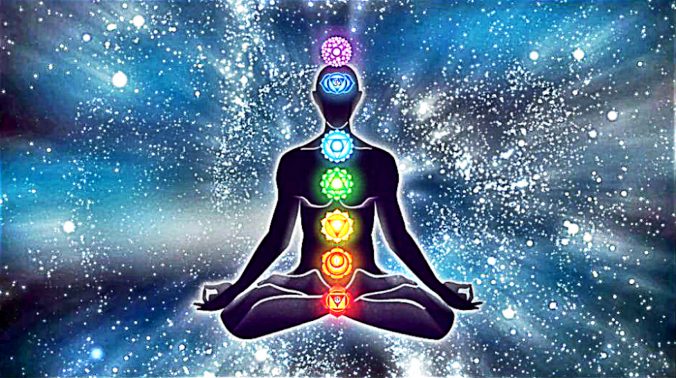
Below is a clear, grounded explanation of the Seven Chakras (energy centers) and the effects they are traditionally believed to have on the body, emotions, and awareness.
This is presented as a spiritual–symbolic system, not a medical model, and can coexist with science and psychology.
The Seven Chakras & Their Effects on the Body
In many spiritual traditions (Yoga, Tantra, Ayurveda), chakras are described as energy centers along the spine that relate to physical areas, emotional themes, and states of consciousness.
They are not physical organs, but maps of awareness and experience.
1. Root Chakra (Muladhara)
Location: Base of the spine
Theme: Safety, survival, grounding
Associated with:
- Legs, feet, lower spine
- Sense of stability and belonging
- Relationship with money, home, and physical security
When balanced:
- You feel grounded and supported
- Calm in daily life
- Trust in life and body
When imbalanced (symbolically):
- Anxiety, fear, insecurity
- Feeling ungrounded or unsafe
2. Sacral Chakra (Svadhisthana)
Location: Lower abdomen
Theme: Emotions, pleasure, creativity
Associated with:
- Reproductive organs
- Emotional flow
- Relationships and intimacy
When balanced:
- Emotional ease
- Healthy pleasure and creativity
- Comfortable with feelings
When imbalanced:
- Emotional numbness or overwhelm
- Guilt, shame, or dependency
- Difficulty with intimacy
3. Solar Plexus Chakra (Manipura)
Location: Upper abdomen
Theme: Personal power, confidence, identity
Associated with:
- Digestive system
- Willpower and boundaries
- Self-esteem and direction
When balanced:
- Confidence without dominance
- Healthy boundaries
- Inner strength
When imbalanced:
- Control issues
- Self-doubt
- Chronic stress or tension
4. Heart Chakra (Anahata)
Location: Center of the chest
Theme: Love, compassion, connection
Associated with:
- Heart, lungs
- Emotional balance
- Relationships with self and others
When balanced:
- Compassion without self-sacrifice
- Emotional openness
- Forgiveness and connection
When imbalanced:
- Emotional withdrawal
- Grief, resentment
- Fear of vulnerability
5. Throat Chakra (Vishuddha)
Location: Throat and neck
Theme: Expression, truth, communication
Associated with:
- Voice, neck, jaw
- Speaking and listening
- Authentic self-expression
When balanced:
- Clear communication
- Honest expression
- Confidence in voice
When imbalanced:
- Fear of speaking
- Suppressed truth
- Over-explaining or silence
6. Third Eye Chakra (Ajna)
Location: Between the eyebrows
Theme: Insight, intuition, perception
Associated with:
- Mental clarity
- Awareness and imagination
- Inner knowing
When balanced:
- Clear thinking
- Intuition grounded in reality
- Perspective and insight
When imbalanced:
- Overthinking
- Mental confusion
- Disconnection from intuition
7. Crown Chakra (Sahasrara)
Location: Top of the head
Theme: Meaning, connection, awareness
Associated with:
- Sense of purpose
- Spiritual connection
- Consciousness beyond identity
When balanced:
- Peace
- Trust in life
- Spacious awareness
When imbalanced:
- Disconnection
- Spiritual bypassing
- Feeling lost or unanchored
Important Grounded Perspective
- Chakras are not separate systems — they reflect mind–body–emotion connections
- No chakra is “better” than another
- Balance matters more than activation
- Energy systems are adaptive, not fragile
Most “imbalances” reflect stress, trauma, or unmet needs, not spiritual failure.
A Healthy Way to Work with Chakras
Instead of trying to “open” chakras, focus on:
- Grounding the body
- Emotional regulation
- Honest self-expression
- Compassion and rest
Balance emerges naturally.
Final Insight
The chakra system is best understood as a map of human experience:
- Body
- Emotion
- Identity
- Awareness
When you listen to yourself with honesty and kindness, alignment follows.
Leave a Reply
You must be logged in to post a comment.